
Garden Route locals are lucky to live where fresh fish and seafood are readily available.
I love fresh fish, preferably fried, but no thick batter.
Catches today are nothing like they were in our grandparents’ time. The reason? Overfishing, illegal fishing and destructive catch methods like bottom trawling.
Around 31% of South Africa’s commercial fishery stocks are either heavily depleted or have collapsed – reflecting a global pattern.
This is not new. I remember breaking a news story about our collapsed and over-exploited fish stocks many years ago, which led to bans on catching certain species.
At the time the news editor asked how one would know what fish species to avoid buying or eating in restaurants. None of us knew.
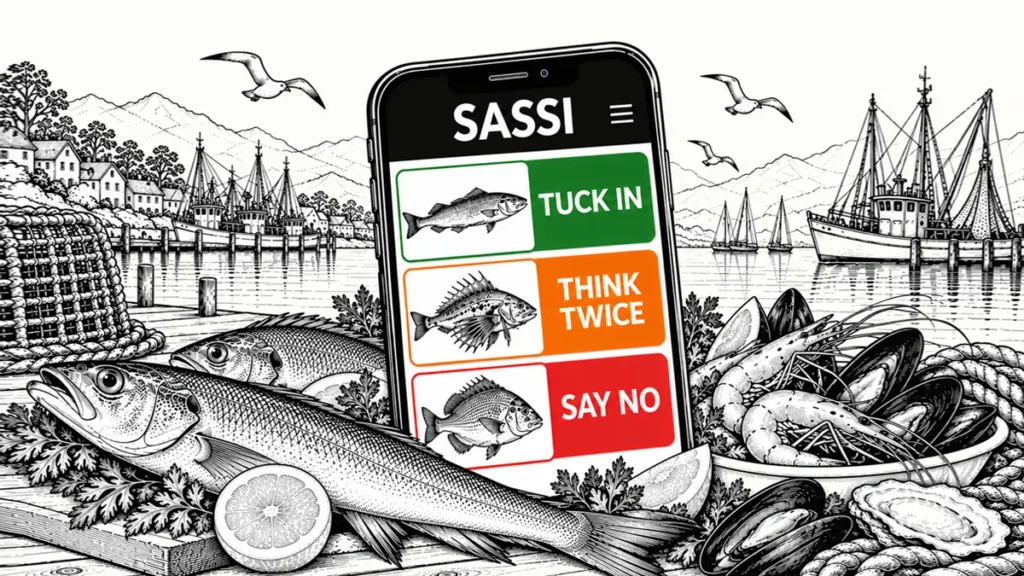
Luckily, the SA branch of the World Wildlife Fund (WWF) launched its Southern African Sustainable Seafood Initiative (SASSI) soon afterwards. SASSI produced a little pocket consumer guide using a “traffic light” system to tell you which seafood you could eat with a clear conscience (the green list), which you should think twice about (orange list) and which never to buy because stocks are so low or it is illegal to sell them in SA (the red list).
I use it often. Now you can download the SASSI app onto your phone.
So if this happened long ago, why am I writing about it this week?
Because WWF has just released its latest SASSI report, and I was delighted to read that “top South African celebrity chefs” have called on seafood sellers and suppliers to ensure their supply chains practise “more responsible fishing”.
Fishing “sustainably” simply means catching only a certain amount of a fish species annually, calculated scientifically, to ensure that there are enough left to breed and replenish stocks.
Chef Greg Henderson, a guest judge on MasterChef SA, says ensuring seafood is sustainable means looking beyond the fish itself.
“It should include an understanding of where it comes from, who caught it and the impact on marine ecosystems.”
Staff from WWF’s SASSI programme have been working with seafood suppliers and supermarkets to help them understand about sustainability and assess how well they are doing.
This week’s report lists the percentage of seafood at each participating retailer that meets the sustainability criteria: Woolworths: 80%; Pick n Pay: 71%; Food Lover’s Market: 63%; Shoprite Checkers: 58%; Spar: 53%.
Sir David Attenborough’s brilliant documentary Ocean shows how destructive many fishing practices are – quite horrific – but the good news is it also shows how quickly marine life can bounce back once humans stop practices like overfishing and bottom-trawling.
“If we save the sea,” Attenborough says, “we save our world.”
You can help save the sea by downloading the SASSI app at https://wwfsassi.co.za.
Then next time you’re buying fish or eating out, you’ll know whether to “tuck in (green), think twice, (orange) or say no thanks (red)”.
Some examples: Deep sea hake, Yellowfin tuna and Yellowtail are all green.
Gurnard, Panga Seabream and certain Kinglip are orange.
Langoustine, West Coast rock lobster, Galjoen, White Steenbras, White Musselcracker and White Stumpnose are all red.
Quite an eye-opener, isn’t it?
Wishing you all sustainable seafood scoffing.